Autumn Budget 2025 – How am I Affected?

On Wednesday 26th November, the Chancellor of the Exchequer delivered this Labour government’s second budget. But what changes have been laid out? And how will they affect you and your business?

National Minimum Wage Increase

Much like the announcement in last year’s budget, the National Living Wage will be increasing from April 2026 for those over 21 years of age. The rate will be raised from £12.21 to £12.71 – a 4.1% increase.

For 18–20-year-olds, an increase of 8.5% will bring their minimum wage to £10.85 an hour. This larger increase is an effort to bring earnings closer to that of older workers.

The minimum wage for under 18s and apprentices is also increasing. A 5.6% increase sees this rate rise from £7.55 to £8.00.

Income Tax and National Insurance Freezes

The freeze of Income Tax and National Insurance thresholds has been extended to April 2031. By this date, the thresholds will have remained the same for 10 years.

As the National Minimum Wage is increasing whilst the tax thresholds stay the same, more individuals will be pushed into higher tax bands, resulting in them paying more tax.

Taxing Salary Sacrifice Pensions

A salary sacrifice pension is where an employee accepts a lower salary with a contractual agreement that their employer pays the difference directly into their pension tax-free. As their salary is lower, they in turn pay less Income Tax and National Insurance on their wages.

This budget has announced that an annual cap of £2,000 will be applied to salary sacrifice pensions from April 2029. This means that any amount over this cap will be taxed in the same way as other employee pension contributions.

Increases to Non-Employment Tax Rates

Basic and higher tax rates for dividend income will increase by 2% from April 2026. The additional rate will remain at 39.35%

Tax on savings and property income will also increase by 2% across all bands (including the additional rate) from April 2027.

Changes to ISAs

April 2027 will see reforms to the current ISA Allowances. Currently, investors can put up to £20,000 each tax year into an ISA (or split the amount over several ISAs). The new changes stipulate that only £12,000 of the original allowance will be allowed into cash ISAs. The remaining £8,000 can still be invested, but only into an investment ISA (i.e., a stocks and shares ISA).

Those aged over 65 are exempt from this change and may continue to put the full £20,000 into a cash ISA if they would prefer.

Electric Vehicle Duty

A new excise duty will apply to electric and hybrid vehicles from April 2028. This will be charged at £0.03 per mile for fully electric cars, and £0.015 per mile for plug-in hybrids. These rates will be subject to increases with inflation.

This measure could be seen as disincentivising electric vehicles, but increased funding for EV charging and business rate relief being applied for charging points is hoped to encourage drivers to still make the switch.

Introduction of Mansion Tax

The budget has announced a high-value surcharge, known as Mansion Tax, will be introduced in 2028. This will see an additional £2,500 charge on properties valued over £2 million, or £7,500 for properties valued over £5 million. The surcharge will be collected alongside council tax. It is expected to raise over £400 million by 2031 whilst only affecting the top 1% of properties in the country.

Two-Child Benefit Cap Scrapped

Since 2017 parents have only been able to claim universal credit and other benefits for their first two children. The 2025 Budget has declared that this cap will be scrapped from April 2026. This hopes to reduce the number of children currently living in poverty in the UK.

Additional Changes

  • Increases in funding should ensure that apprenticeships for under 25s will be free for small and medium sized businesses
  • A 40% allowance will be given to allow businesses to write of more of their initial investment costs
  • Higher business rates will be imposed on properties worth over £500,000 (i.e., warehouses owed by online retail giants) to allow rates to be lowered for an estimated 750,000 hospitality, leisure, and retail businesses
  • Customs duty will apply to all parcels – should be implemented by March 2029 at the latest
  • Gambling duty reform will take place from April 2026. The highest increase will be on remote gaming (online casinos), which will be applied at 40%
  • Fuel duty will remain frozen until September 2026
  • Tobacco and alcohol duties will increase again in the next tax year
  • The sugar tax will now include dairy-based drinks (such as milkshakes)


If you require any advice regarding changes announced in the budget, or you require help with accounting, tax preparation, or payroll, please do not hesitate to contact us.

Companies House Filing Changes

From 1st April 2027, all companies will have to file their annual accounts using software. New reporting requirements will also be introduced. This is yet another financial blow to business owners, following the announcement of plans to close both Companies House and HMRC’s free filing services earlier this year.

What Changes are Coming?

All companies will be required to submit their annual accounts using commercial software (such as Xero and Capium). As such, both the web and paper-based filing systems used by Companies House will be closed. Whether you submit your accounts yourself, or through an accountant, you must use accounting software from 1st April 2027.

Furthermore, profit and loss accounts will become mandatory for small and micro-entity companies from this date. Previously, an exemption was in place that allowed the smallest businesses to submit simplified accounts (known as abridged accounts) where the main document was the balance sheet, rather than the profit and loss. The removal of abridged accounts will lead to further preparation time, costing these businesses more to submit their accounts.

It is important to note that no changes are currently planned to change the services for confirmation submissions and director information updates. However, directors and people with significant control (PSCs) are now required to verify their identity with Companies House.

Why are these Changes Happening?

These filing changes are being introduced as part of the Economic Crime and Corporate Transparency Act 2023. The use of software is intended to reduce errors and formatting issues, as they will be prepared to government specifications. Online filing is also more secure than paper filing as there is less risk of accounts being tampered with or being lost in the post.

Having profit and loss information available for all companies on the Companies House register is believed to improve access to credit for small businesses and micro-entities, as this will be available for lenders to assess. It is also expected to prevent money laundering as these businesses will have to disclose more information.

What do I Need to Do Before the Changes Take Place?

Before these changes occur, you will need to select the accounting software you wish to use going forward. There are many options to choose from so it can feel quite overwhelming. GOV.UK offer a tool to help you find software that works best for the type of accounts you need to submit. The software will be able to generate reports, which include the profit and loss if you have not had to create one yourself before.

Are There Any Further Changes Planned?

Companies House are planning to implement further changes after April 2027 but have not announced any details yet. You can follow our blog to keep up to date with future updates.

I’m Worried About the Changes – Can You Help?

At WKM, we understand that changes to filing can be stressful, particularly for small businesses. If you are unsure about using software for your accounts, please do not hesitate to contact us for advice. You can also find further information about software and cloud accounting on our website.

Double Cab Pickups – Benefit In Kind Changes

Update – Government U-Turn

On 19th February 2024, 1 week after the classification criteria was updated, HMRC announced a full U-turn on the treatment of double cab pickups. It has been decided that they will now continue to use the payload system to classify vehicles, as explained in our “How Were Double Cab Pickups Treated Previously?” section. This has occurred due to push back from the motor industry over the significant increase in tax the change would have caused for most double cab pickup owners.


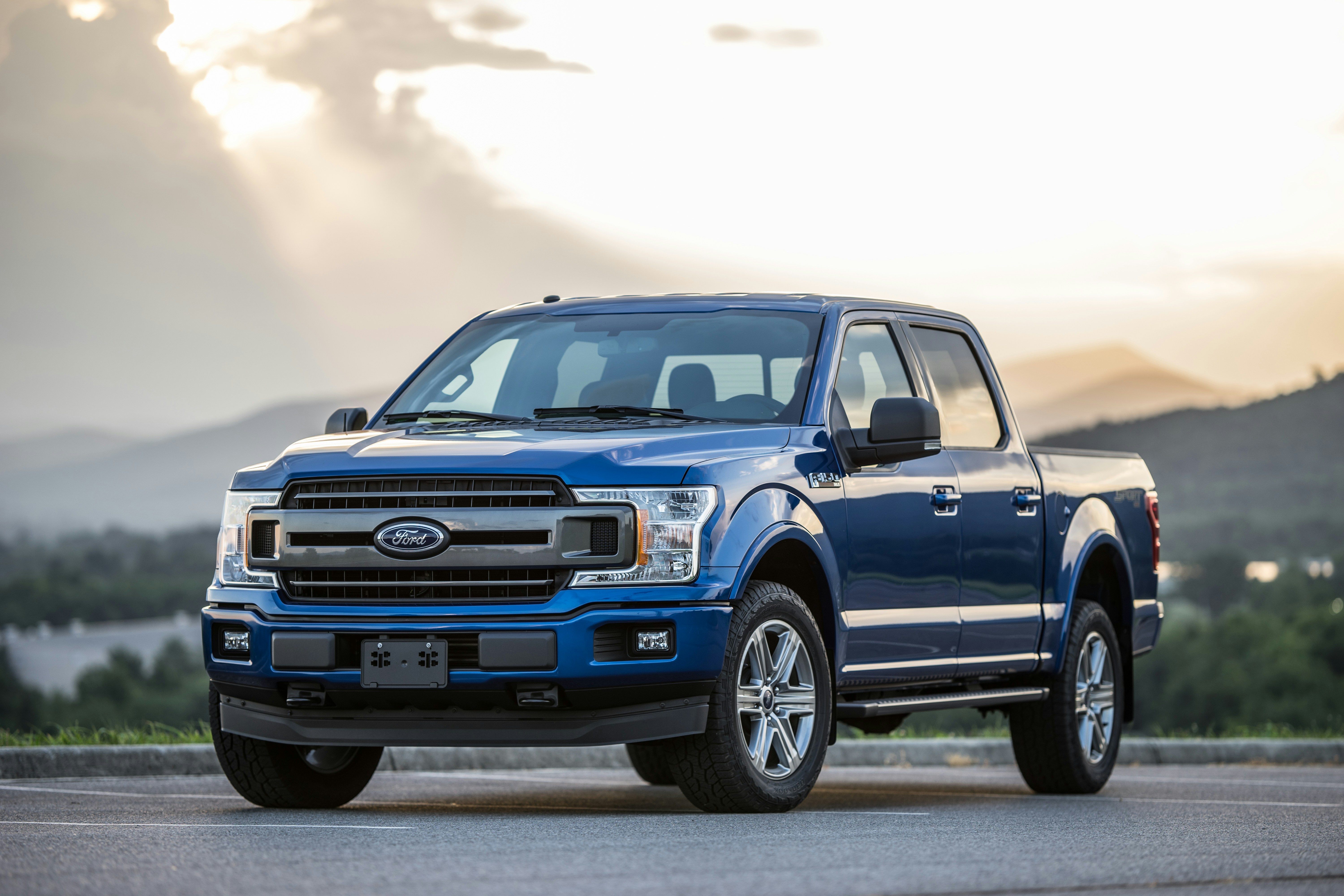
Changes to the tax treatment of double cab pickups have recently been announced by the government. This will change how benefit-in-kind tax is calculated for these vehicles if owned by your company. These changes will be introduced to remove a loophole which allowed them to be accounted for as vans rather than company cars. The tax paid on vans is usually lower than the tax paid on cars.

How Will Double Cab Pickups be Accounted for?

For vehicles ordered on or after 1st July 2024, new criteria will dictate that almost all double cab pickups will be classed as cars. This is due to the new legislation used to determine how a vehicle should be classified.

 If a vehicle’s primary suitability is construction, it will be classed as a van. This means that the vehicle must only be used for transporting goods. As double cab pickups can transport both goods and passengers, they cannot be classed as vans and must be treated as cars.

Vehicles that are already on fleet or have been ordered prior to 1st July will be treated as they were until 5th April 2028.

How Were Double Cab Pickups Treated Previously?

The old criteria that were used to decide whether a vehicle was a car or van was dependent on payload. A vehicles payload is usually given in the manufacturer’s manual and is equal to the gross weight minus the unoccupied kerb weight.

Vehicles with a payload under 1 tonne would be classed as cars, whilst those which are 1 tonne or over would be classed as vans.

Double cab pickups are much heavier than standard cars; they would almost always meet the old van criteria.

Will All Double Cab Pickups be Classed as Cars?

Not necessarily. Within the legislation, the government have included exceptions which could allow double cab pickups to be classed as vans. This is dependent on whether modifications have been made to the vehicle.

The modifications must be “sufficiently permanent & substantial in scale”. Examples provided include replacement of the rear side windows (either with metal panels or fibreglass) or welding a new load base.

Defining whether a modification can fit the criteria can be difficult. For example, removal of the rear seats of a double cab pickup would only be classed as substantial if all the related fittings are also removed. The easiest way to check that the modification is substantial is if it could be easily reversed. If so, the changes cannot be used to justify the van classification.

How does the Benefit in Kind Differ?

A benefit in kind (BIK) is defined as goods and services received by employees or directors from a company which are not included in their salary, for example a company vehicle. The method of taxing these BIKs is dependent on the type of vehicle they are classed as.

Vans use a flat rate to calculate the tax owed. On the other hand, the tax owed on cars is dependent on the CO2 emissions and list price of the vehicle. Please see our Vehicle Benefit In Kind Breakdown for more information on how it is calculated.

Example

The tax owed by a basic rate (20%) taxpayer on a petrol-powered double cab pickup with a list price of £20,000 and CO2 emissions of 170 g/km would be calculated as follows if it was classed as a car:

BIK% = 37%

BIK Tax = 20000*37%*20% = £1,480

Fuel Benefit Tax = 27800*37%*20% = £2057.20

Total tax owed = £3,537.20.

The calculation for the same vehicle if classed as a van is as follows:

BIK Tax = 3960*20% = £792

Fuel Benefit Tax = £757*20% = £151.40

Total tax owed = £943.40

You would have to pay £2,593.80 more if the vehicle was classed as a car. As double cab pickups tend to have both high list prices and high emissions, the tax owed will almost always be higher when classed as a car.


If you are unsure about how these changes could affect you, or you have any other queries about tax, please contact us